
While standard GPS provides enough accuracy for basic turn-by-turn directions (typically within 5-10 meters), the next generation of mobility requires a much finer grain of data. The integration of High-Precision GNSS and RTK (Real-Time Kinematic) technology is the bridge to that future.
Why RTK is essential for modern automotive systems:
From Meters to Centimeters: RTK uses a network of ground stations to correct satellite errors in real-time, bringing positioning accuracy down to a single centimeter.
The Backbone of Autonomous Driving: For a self-driving car to stay safely within a lane or navigate complex intersections, it needs precision that standard GPS simply cannot provide.
Advanced Fleet Management: High-precision data allows managers to track vehicles with absolute certainty, optimizing routes, improving safety, and ensuring trailers are aligned perfectly at loading docks.
Enhanced Safety Features: Precise positioning improves the reliability of Advanced Driver Assistance Systems (ADAS), such as lane-keep assist and automated emergency braking.
By moving beyond “everyday” navigation, RTK technology transforms the vehicle from a simple transport machine into a highly intelligent, precise, and safe autonomous system.
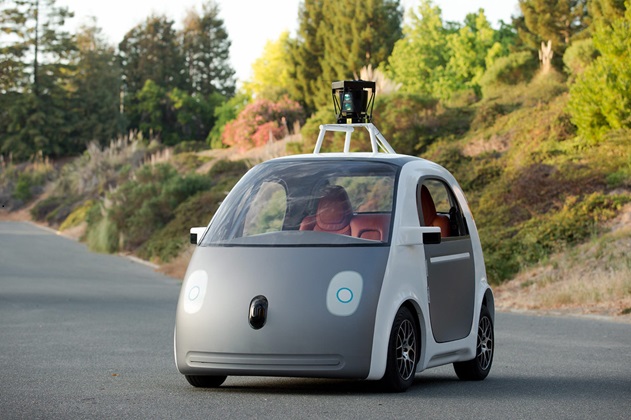
Imagine you are in a self-driving car. To operate safely, the vehicle must know its exact position on the road—not just within a few meters, but down to the centimeter. Without this level of precision, even the most advanced AI could struggle to stay within lane boundaries or navigate around obstacles safely.
The role of GNSS and RTK in automotive safety:
Lane-Level Accuracy: RTK corrections allow the car to distinguish which lane it is in, a feat impossible with standard GPS.
Obstacle Avoidance: High-precision positioning ensures the vehicle’s “digital map” aligns perfectly with the physical world, making navigation around hazards more reliable.
Proven Technology: This isn’t just a concept for the future; RTK is already in use today, providing the foundation for safer and more predictable autonomous driving experiences.
Reliability in Complexity: Whether navigating tight city streets or highway merges, centimeter accuracy provides the confidence needed for human passengers to trust the system.
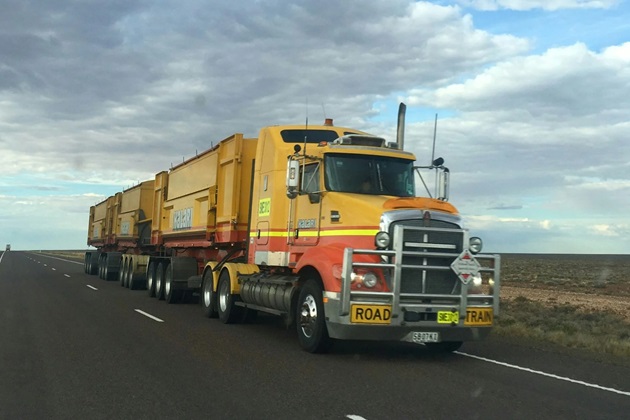
To achieve centimeter-accurate positioning, a GNSS receiver requires constant correction data. However, for vehicles that travel long distances—such as international freight trucks or cross-country autonomous fleets—traditional correction methods face significant hurdles.
The challenges of localized RTK for moving vehicles:
Distance Constraints: Standard base-station RTK is limited to a radius of approximately 35 km, making it impractical for long-haul journeys.
The “Border Problem”: Crossing from one country to another often requires manually switching between local NTRIP providers, leading to connection drops and downtime.
Coordinate Confusion: Different countries often use different local coordinate systems, which can cause positioning shifts and errors during cross-border transit.
For vehicles traversing large areas or multiple countries, a global correction provider is the most efficient solution.
Unified Coordinate System: Uses a single, global reference frame, ensuring your position remains consistent regardless of the country you are in.
Continuous Coverage: Offers high-quality service across entire continents, even in remote areas or regions where local internet infrastructure is unreliable.
Simplified Integration: Eliminates the need to manage multiple service contracts or complex software handovers at national borders.
Reliability: Provides a consistent “always-on” stream of data, which is critical for the safety and uptime of autonomous fleets.
By leveraging a global correction network, fleet operators can ensure their vehicles maintain uninterrupted, centimeter-level precision from the start of the journey to the final destination.

If you are a fleet manager accustomed to standard GPS accuracy (5–15 meters), you know that “approximate” location data can lead to operational bottlenecks. RTK technology elevates your visibility to sub-meter or centimeter levels, transforming how you manage assets, drivers, and safety.
How RTK precision enhances your operations:
Route & Fuel Optimization: Exact positioning allows for the most precise route planning possible, reducing idling time and significantly lowering fuel costs.
Warehouse & Logistics: In forklift management, RTK provides the accuracy needed to track indoor/outdoor movements, reducing search times for pallets and optimizing warehouse traffic flow.
Public Transport & Car-Sharing: Ensure vehicles are exactly where the app says they are. RTK improves the reliability of arrival predictions and simplifies vehicle retrieval in dense urban areas.
Safety & Accountability: High-precision tracking helps monitor driver behavior more effectively and provides indisputable data for incident reporting and insurance.
Whether you are overseeing a global trucking fleet, a city-wide public transport network, or a local warehouse operation, our RTK solutions provide the productivity and reliability needed to stay competitive in a data-driven world.
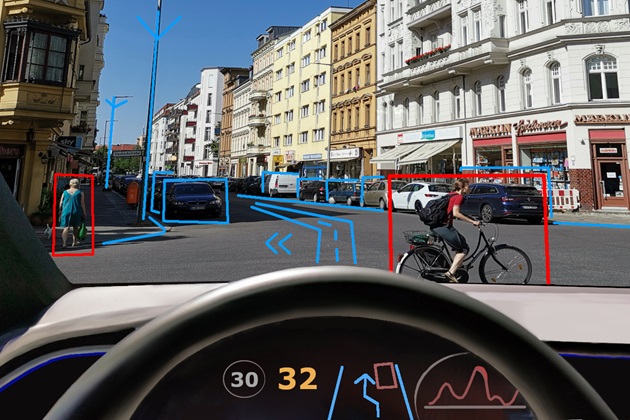
V2X (Vehicle-to-Everything) technology allows vehicles to “talk” to each other and to the surrounding infrastructure, such as traffic lights, pedestrian crossings, and road signs. At the heart of this communication is GNSS/RTK, which provides the precise location data necessary for these systems to function reliably.
How RTK-powered V2X creates a safer road environment:
Collision Avoidance: Vehicles exchange real-time data about their exact position, speed, and direction. If another car is hidden in a blind spot or approaching an intersection too fast, the system alerts the driver to prevent a collision.
Infrastructure Syncing: Cars can communicate with smart traffic lights to optimize speed for “green waves,” reducing congestion and fuel consumption.
Cooperative Driving: RTK enables “platooning” (vehicles following each other closely at high speeds) and smoother merging by providing centimeter-level coordination between multiple cars.
Vulnerable Road User Protection: V2X can alert vehicles to the presence of pedestrians or cyclists (who may have V2X-enabled devices), even when they are not yet visible to the driver or onboard cameras.
By integrating RTK precision into V2X networks, we move closer to a zero-accident future where every element on the road works in perfect, data-driven harmony.
High-precision vehicle data is the foundation of modern safety programs. By leveraging centimeter-level GNSS accuracy, fleet managers can move beyond basic tracking to gain a deep, technical understanding of how their vehicles are being operated.
The impact of RTK-powered behavior monitoring:
Accurate Event Detection: Combining GNSS data with accelerometers provides a reliable way to detect harsh driving events—such as rapid acceleration, sudden cornering, or emergency braking—with pinpoint precision.
Personalized Coaching: Detailed logs of speeding and driving habits allow for data-driven coaching programs, helping drivers improve their skills and safety performance on every journey.
Cargo Protection: Smoother driving directly correlates to a reduction in cargo damage, saving the company from costly insurance claims and logistical delays.
Operational Longevity: By identifying and correcting harsh driving, companies can reduce wear and tear on vehicle components like tires and brakes, lowering maintenance costs.
Integrating RTK precision into your safety protocols doesn’t just simplify coaching—it builds a culture of excellence and ensures that every asset and driver returns home safely.