RTK technology is transforming the heavy-duty sector by providing 1-centimeter precision. This level of accuracy is critical for the safe and efficient operation of massive equipment in complex environments.
Key applications of RTK-enabled machinery include:
Automated Navigation: Precise control for cranes and mining vehicles in restricted spaces.
Safety & Maneuvering: Enhanced accuracy for reverse parking of heavy trucks and collision avoidance systems.
Productivity Boost: Facilitates automated operations, reducing downtime and human error.
By integrating centimeter-level data, industries achieve significant improvements in both operational safety and overall productivity.
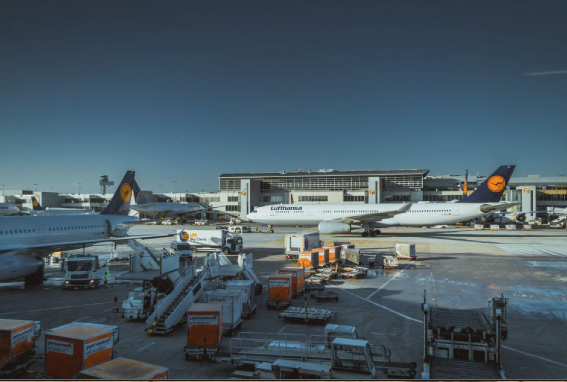
Standard GPS allows airports to track assets in real-time across expansive outdoor terminals. However, integrating RTK technology elevates this data to 1-centimeter precision, which is critical for managing the high-stakes environment of an airport tarmac.
The impact of RTK-driven tracking includes:
Enhanced Safety: Provides the extreme accuracy needed to prevent collisions between aircraft and ground equipment.
Operational Efficiency: Optimizes routing for service vehicles like fuel trucks and baggage carts, significantly reducing delays.
Geofencing & Control: Ensures vehicles remain strictly within designated areas, preventing unauthorized movements in restricted zones.
Complex Coordination: Enables seamless management of ground traffic, ensuring every asset is exactly where it needs to be.
By utilizing RTK precision, airports can transform complex logistics into a safer, faster, and more efficient workflow.
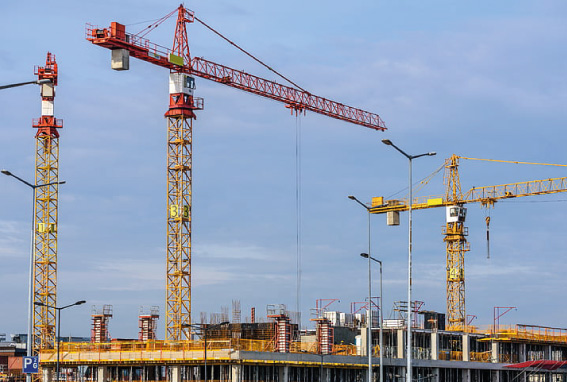
RTK technology is redefining crane operations across construction and manufacturing by providing the centimeter-level positioning required for complex lifting. Modern cranes increasingly rely on remote operation, where precise data and constant communication are essential for safety and efficiency.
By equipping cranes with advanced sensors and RTK-enhanced GPS, operators can achieve:
Automated Guidance: Precisely guide the boom to the load for accurate pickup and placement, reducing the risk of accidents.
Real-Time Data Sync: Sensors transmit the position of moving parts and loads to a remote control center via radio link, receiving RTK corrections instantly.
Safe Remote Operation: Enables operators to manage heavy lifting from a distance with absolute confidence in the crane’s exact coordinates.
Collision Prevention: Accurate measurement of loads and machinery positions facilitates fully automatic operations in crowded industrial environments.
Integrating RTK precision transforms heavy lifting into a highly controlled, data-driven process that maximizes both productivity and site safety.
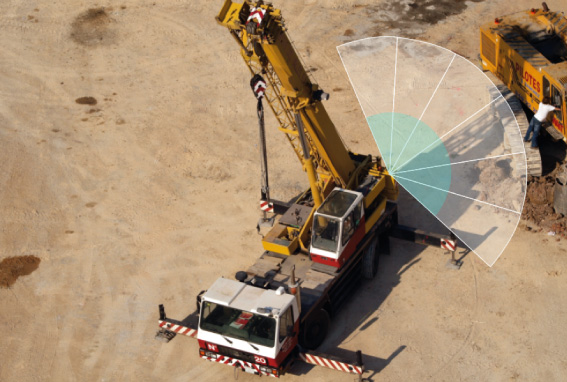
RTK technology is revolutionizing safety protocols by powering advanced Collision Warning systems for heavy-duty machinery. With centimeter-level accuracy, these systems provide the extreme precision required for immediate, situation-specific alerts.
The impact of RTK-driven collision prevention includes:
Prompt Notifications: Real-time data processing ensures operators receive instant warnings about imminent dangers, drastically reducing accident rates.
Operator Confidence: Reliable alerts empower workers to make smarter, safer decisions, knowing the system monitors every inch of their surroundings.
Universal Adaptability: The system easily integrates into various machinery types, from excavators to mining trucks, ensuring site-wide security.
Cost Mitigation: Investing in high-level safety technology minimizes the human and financial costs associated with workplace accidents.
By implementing RTK precision, companies transform operational security into a proactive, data-backed shield for both personnel and equipment.
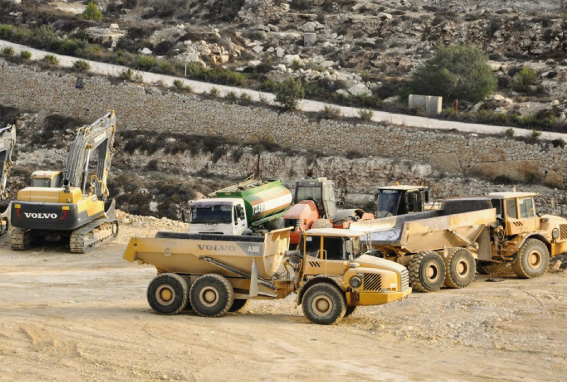
RTK technology transforms the management of heavy machinery, such as excavators and bulldozers, by providing centimeter-level positioning. This precision bridges the gap between digital project designs and physical site execution.
Key benefits of RTK-integrated machinery:
Real-Time Fleet Management: Site managers can monitor exact machine locations, ensuring efficient utilization and eliminating time wasted searching for equipment on large sites.
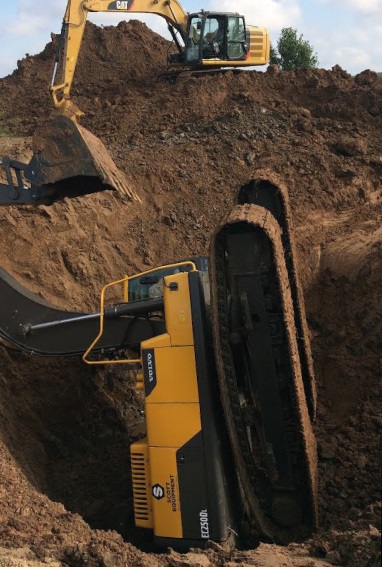
Precision Digging & Grading: For excavators, RTK allows operators to follow 3D project specifications with extreme accuracy, ensuring the first cut is the right cut.
Resource Optimization: High-precision execution minimizes rework, saving significant time, fuel, and material costs.
Streamlined Workflow: Digital site maps sync directly with machinery, allowing for automated progress tracking and more reliable project timelines.
By leveraging RTK accuracy, construction firms turn traditional heavy lifting into a data-driven, high-efficiency operation.
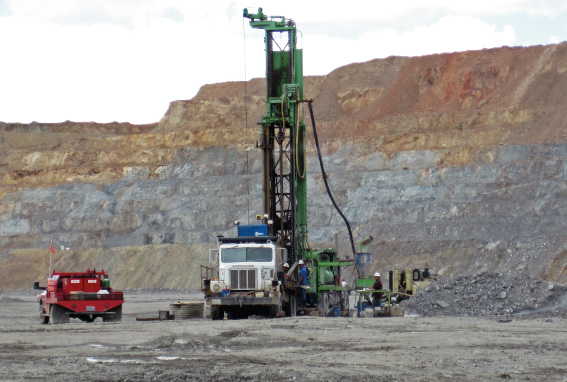
RTK technology is revolutionizing the mining industry by providing the high positioning accuracy required for complex drilling operations. By ensuring the exact position and height of every hole, RTK solutions eliminate the guesswork from the extraction process.
The advantages of RTK-integrated drilling include:
Plan Adherence: Miners can strictly follow digital drilling plans, ensuring that blast patterns are executed with total precision.
Optimized Extraction: High-accuracy placement leads to better fragmentation, which optimizes resource extraction and reduces mineral loss.
Operational Efficiency: Integrating RTK with planning software streamlines the transition from design to execution, driving significant cost savings.
Quality Control: Precise depth and location data improve the overall results of drill and blast cycles, enhancing site safety and productivity.
By adopting RTK precision, mining companies transform traditional drilling into a data-driven process that maximizes yield while minimizing operational waste.
Septentrio: Accurate GPS/GNSS for mining in the toughest environments
Geo-fencing with RTK technology is transforming site management by creating high-precision virtual boundaries. This allows managers to track and control the movement of heavy machinery with centimeter-level accuracy within specific zones.
The core benefits of RTK-driven geo-fencing include:
Enhanced Site Safety: Ensures that machinery operates strictly within safe zones, drastically reducing the risk of accidents in crowded or hazardous areas.
Regulatory Compliance: Keeps equipment away from restricted environmental zones or sensitive areas, ensuring full adherence to site regulations.
Instant Security Alerts: The system triggers real-time notifications if a vehicle moves outside its designated area, allowing for immediate response to unauthorized use or theft.
Operational Oversight: Provides managers with a digital “bird’s-eye view,” optimizing the flow of equipment across complex construction landscapes.
By implementing RTK geo-fencing, companies replace manual monitoring with an automated, high-precision security shield that protects both assets and personnel.
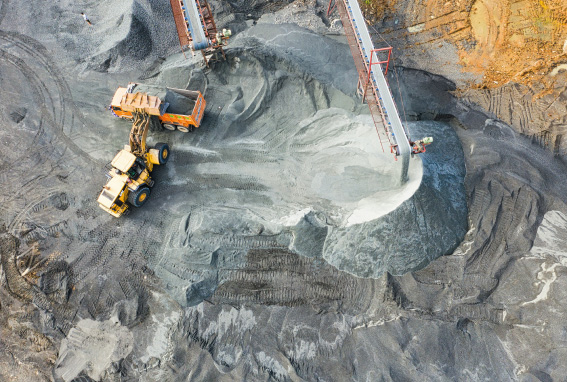
Automating mining operations with RTK technology significantly boosts productivity while moving personnel out of high-risk zones. Over the past quarter-century, self-driving heavy vehicles have transformed the industry into a high-tech, autonomous environment.
Key features of RTK-automated systems include:
Precision Loading: Autonomous excavators use RTK to load trucks quickly and accurately, optimizing every cycle.
Smart Navigation: Equipped with scanning range finders, machinery identifies haul trucks and avoids obstacles in real-time.
Adaptive Performance: Systems automatically adjust actions based on soil conditions, maximizing digging effectiveness.
High-Level Safety: Automation allows for the execution of complex tasks with extreme accuracy, reducing human error and operational downtime.
By integrating RTK precision with autonomous hardware, mining companies achieve unprecedented safety and a streamlined, 24/7 workflow.
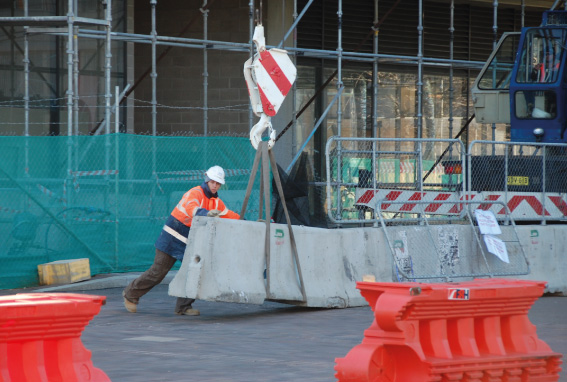
Smart moving barriers equipped with RTK receivers offer a high-tech alternative to traditional static infrastructure. Unlike fixed barriers that require heavy machinery to relocate, these units are remotely controlled, allowing for safe and rapid redeployment.
The advantages of RTK-enabled barriers include:
Precision Maneuverability: Barriers move with centimeter-level accuracy, allowing for the exact opening or closing of lanes based on real-time traffic demands.
Operational Flexibility: Ideal for short-term projects such as paving, routine maintenance, or managing tidal flow during rush hour.
Enhanced Safety: Eliminates the need for ground crews to manually place cones or move heavy blocks in live traffic.
Seamless Integration: While they look like standard barriers, their autonomous technology represents the future of efficient roadway management.
By utilizing RTK precision, transport authorities can transform static work zones into dynamic environments that improve traffic flow and worker safety.
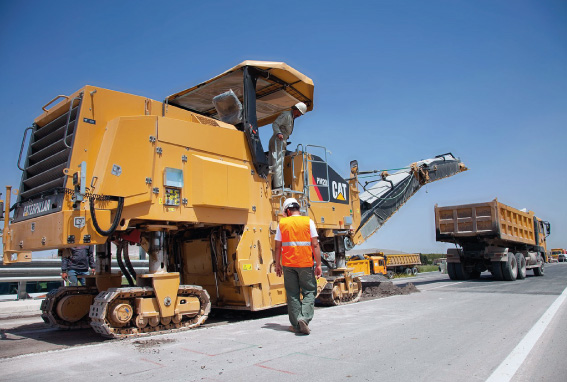
RTK technology is a game-changer for road construction, offering seamless integration into asphalt pavers and motor graders. By providing centimeter-level positioning, it ensures that every layer of material is placed with absolute precision.
The impact of RTK on paving operations includes:
Superior Ride Quality: Precise placement results in smoother surfaces and a significant improvement in the final road quality.
Uniform Thickness: For asphalt pavers, RTK allows for exact screed height control, ensuring a perfectly level surface and consistent pavement depth.
Material Efficiency: Extreme accuracy reduces material waste, ensuring the optimal use of asphalt and lowering overall project costs.
Environmental Benefits: Less waste and fewer correction passes lead to a more sustainable construction process.
Beyond paving, this precision is vital for tasks like measuring ground settlement before construction begins, ensuring that the foundation is stable and meeting project specifications with centimeter accuracy.
Septentrio: Building roads in Norway with RTK
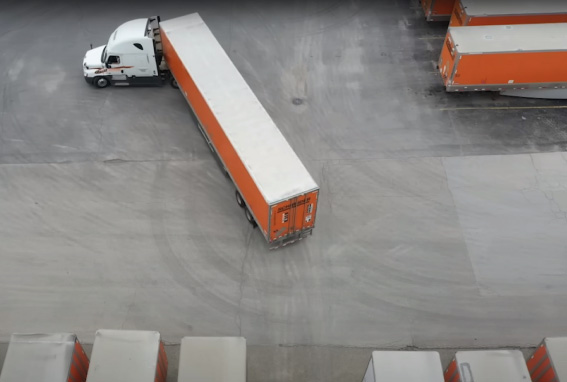
Integrating RTK technology into vehicles significantly improves the quality and safety of reverse parking. By providing centimeter-accurate positioning, this system makes complex reversing maneuvers safer for all vehicle types, from passenger cars to heavy-duty trucks.
Key benefits of RTK-enabled parking systems:
Accident Prevention: Closely monitors the angles between vehicles and trailers to prevent jackknifing and provide precise steering instructions.
Dock Assist: Helps drivers perfectly position heavy trucks near loading docks before the system autonomously completes the final maneuver.
Autonomous Self-Docking: Enables trucks to steer independently into a dock with zero driver intervention, relying on sub-degree heading accuracy.
Enhanced Visibility: Provides a digital “map” of the surroundings, ensuring centimeter-level precision even in tight or low-visibility facilities.
By combining high-accuracy GPS with real-time vehicle attitude data, RTK transforms the most difficult driving tasks into a seamless, automated process.
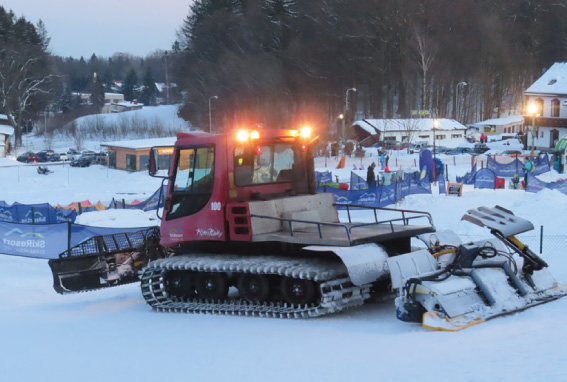
Integrating GNSS-RTK kits into snow grooming machines transforms how ski resorts manage their terrain. By providing centimeter-level precision, this technology allows for the exact tracking of snow depth variations across the entire mountain.
The advantages of RTK-enabled snow grooming include:
Real-Time Monitoring: Operators view live snow conditions directly from the groomer cabin, while data is synced to a central office for comprehensive analysis.
Strategic Operations: Precise data allows resorts to optimize grooming paths, ensuring consistent snow quality and identifying areas that need extra coverage.
Cost Efficiency: Targeted snow distribution and optimized machine routes lead to significant fuel and labor savings.
Enhanced Experience: Ensures a superior and safer skiing surface by maintaining uniform snow levels throughout the season.
By replacing estimations with accurate digital measurements, resorts can make smarter, data-driven decisions that improve both operational efficiency and visitor satisfaction.
🔗ArduSimple: Improved GNSS Heading accuracy for snow groomers using GNSS + IMU Sensor Fusion